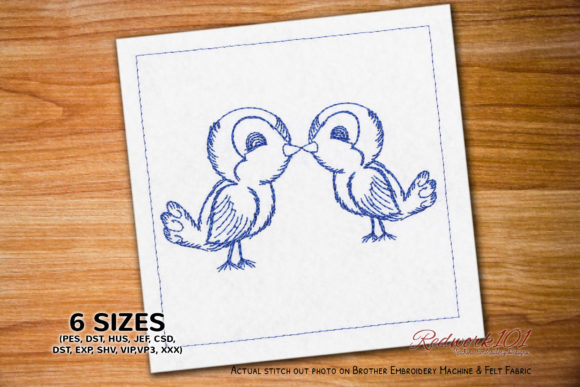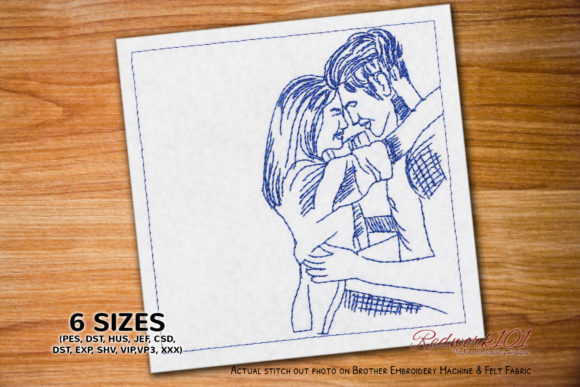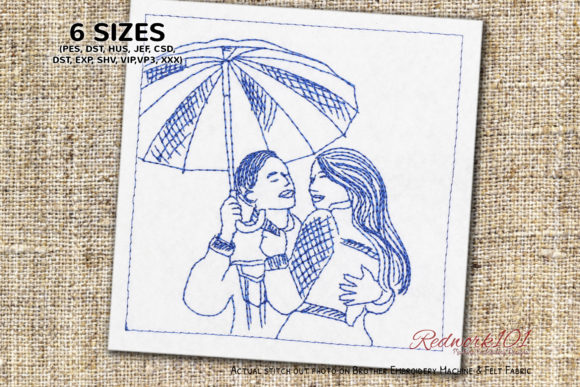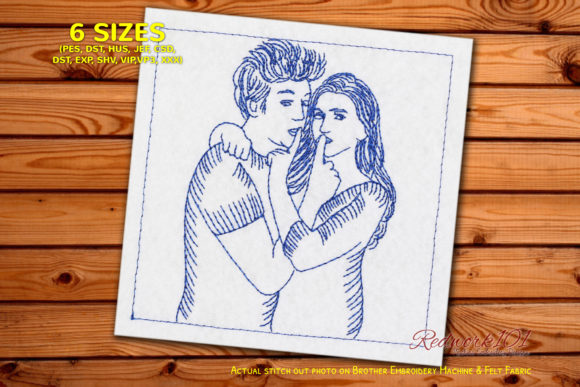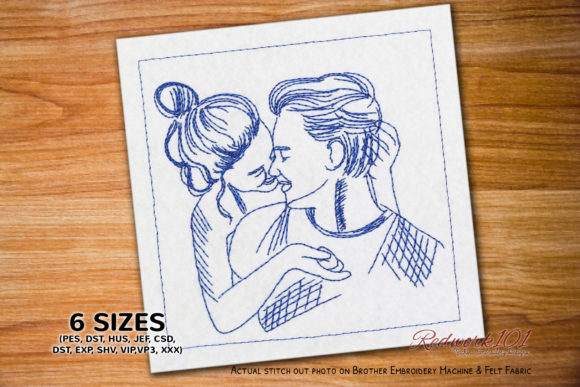
Reviewing the Girl Kissing Boy Redwork Design
As an embroidery designer preparing for a weekend craft fair, every design in my inventory gets a real-world evaluation. The goal isn't just what looks nice on screen, but what will attract attention on a crowded booth table, feel good in a customer's hands, and be practical to produce in batches. Today, I'm looking at the Girl Kissing Boy Redwork Design. Let's break down where it fits.
First Impressions and Market Fit
The Girl Kissing Boy Redwork Design immediately lands in the "cute," "soft," and "decorative" category. The title suggests a classic, sentimental theme. Redwork, traditionally done with a single red thread color, offers a timeless, handmade quality that feels both rustic and premium. It's not a bold, graphic statement; it's a charming, emotional one. This places it perfectly within the Valentine's Day product category, but its appeal isn't limited to the holiday. It speaks to romance, affection, and nostalgia year-round, which is a great selling point for craft fair sellers looking for designs with longevity.
Product Placement: Where This Design Will Shine
My booth display will have tote bags, aprons, tea towels, caps, patches, pouches, and pillow covers. Not every design works on every product. Here's where I'd use this embroidery file.
Standout Items for a Craft Fair Booth
This design is a natural fit for home décor and giftable textiles. A pillow cover with this motif feels personal and cozy. A small fabric pouch or market bag becomes a sweet, unique gift. These are items customers often buy as thoughtful presents, and the design’s emotional core supports that.
For kitchen lines, it would work well as a focal point on a single, premium tea towel, rather than repeated across a set. The sentimental theme elevates a simple towel into a decorative piece. On an apron, it would best be placed on a bib or pocket as an accent—it's more of a delicate detail than a full-coverage statement.
Considerations for Patches and Wearables
As an embroidered patch, it has potential, but requires careful execution. The design's details must remain clear when stitched small. A patch appeals to a different buyer, perhaps looking for a quirky addition to a jacket or bag. On a cap, the curved surface and typically thicker fabric can challenge smaller, intricate designs. I'd likely reserve this for a flat, structured cap panel if I were to use it there.
On a tote bag, its placement is key. Centered on a front panel, it acts as a charming focal point. The simplicity of redwork can look excellent on natural canvas or linen, enhancing that handmade product feel.
Practical Production and Selling Points
Turning a digital embroidery file into a stack of sellable products requires a pragmatic eye.
Batch Production and Clarity
This design appears to be clean and likely not overly dense. That's good for production speed and thread consumption. For Etsy sellers and small shop owners doing batch work, a design that stitches out reliably and quickly is crucial. The note about the optional box stitch is important. That outer border can be skipped, making the design even simpler and faster to produce. This adaptability is a plus.
However, always test the design on scrap fabric first. Check the stitch density on the final materials you'll use, like textured towels or thick tote bag canvas. A single-color redwork design needs excellent thread contrast against the fabric. On dark fabric, you may need to reconsider the traditional red or use a very bright shade.
Photography and Online Appeal
For online listings, this design photographs well. Single-color designs often look crisp and clean in product photos, avoiding the visual noise of multiple colors. Creating a real mockup on at least one product (a pillow or tea towel) is essential for photos. It shows scale and texture far better than a printable mockup alone. The cute, clear imagery is easy for customers to understand at a glance in an Etsy listing, which drives engagement.
Careful-Use Notes for the Embroidery Crafter
Every design has its quirks. Here are my hands-on notes for the Girl Kissing Boy Redwork Design.
- Scale Matters: This likely works best as a medium-sized focal design. Stitching it too small risks losing the clarity of the kiss motif. Test it at different sizes in your software before committing to a hoop size.
- Fabric Choice: It will look most "premium" on smooth, natural fabrics like linen, cotton, or a fine canvas. The texture of a terry towel or a very nappy fabric might obscure the clean lines.
- Stabilizer is Key: Even with a simpler design, using the right stabilizer for your fabric ensures the stitches lay flat and the image doesn't distort, especially on items like bags that get handled.
- Commercial Licensing: The product description doesn't specify license terms. Before selling finished products at a craft fair or online, always confirm that your digital embroidery file comes with a commercial-use license. This is a non-negotiable step for any creative entrepreneur.
Final Booth Strategy and Customer Engagement
In a busy craft fair environment, the Girl Kissing Boy Redwork Design won't shout from ten feet away. Its power is in closer inspection. I'd place it on products displayed at eye level or on a table where customers can touch the texture. A pillow with this design stacked with other romantic-themed items creates a cohesive section in my booth.
It adds to brand consistency if my shop focuses on sentimental, classic motifs. When a customer picks up a tea towel with this embroidery, they feel the handmade quality instantly. The single-color work often looks meticulous and skilled, enhancing perceived value. For a boutique maker, that perception is gold.
My final advice is to create at least one real sample. See how it stitches. Feel how it looks on the fabric. Compare thread colors. That hands-on review, from an embroidery designer's perspective, tells you more than any screen preview ever could. Then, you can confidently turn the Girl Kissing Boy Redwork Design into products that will not only sell but delight your craft fair customers.